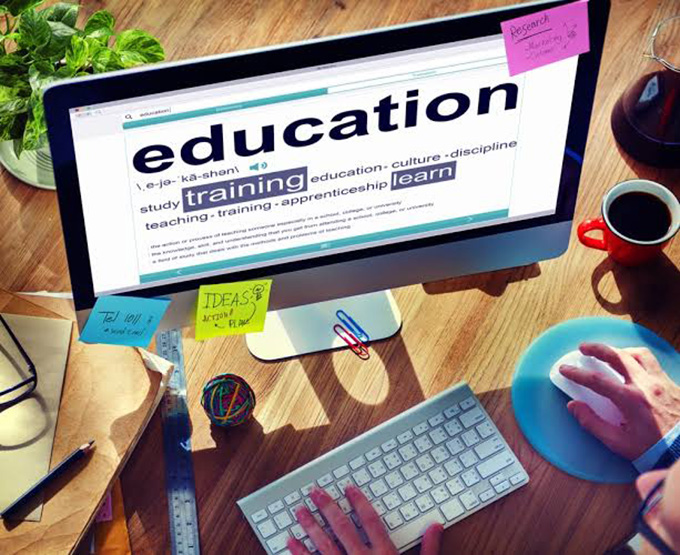
Learning has become a continuous process. People no longer study only at the beginning of their professional lives and then stop. New tools, changing industries, remote work, digital communication, and evolving workplace expectations make it important to keep updating skills over time.
That is why Cursos Online have become a practical option for people who want to continue learning without depending on a traditional classroom schedule.
Online education allows students to access lessons, materials, and activities from almost anywhere. This is useful for workers, parents, entrepreneurs, job seekers, and anyone who needs training that can fit into a busy routine. Instead of adjusting an entire day around a class, learners can organize study time around their real responsibilities.
The main benefit is flexibility, but flexibility alone is not enough. A good learning experience also requires clear goals, organized content, consistency, and a willingness to apply new knowledge in real situations.
Why virtual education works for modern learners
Cursos Virtuales can help people study in a way that feels more realistic for their lifestyle. A full-time employee may prefer to study after work. A student may use virtual courses to reinforce academic knowledge. Someone preparing for a career change may begin with a short course before committing to a larger program.
This type of education also reduces geographic barriers. Learners do not need to live near a university, training center, or major city to access useful content. With an internet connection and a basic study plan, education becomes easier to include in daily life.
Another advantage is the variety of subjects available. Students can find courses related to administration, healthcare, education, customer service, technology, workplace safety, communication, leadership, and business management. This makes it easier to focus on skills that match personal or professional goals.
How digital courses support career development
A well-chosen course can support different stages of professional growth. For someone entering the job market, it can help strengthen a resume and show initiative. For someone already employed, it can provide updated knowledge for current responsibilities. For entrepreneurs, it can offer practical tools for managing customers, finances, sales, or operations.
Online learning also helps people explore new interests. A person may not be ready to change careers immediately, but a focused course can provide a first look at a new field. That experience can help clarify whether the topic is worth pursuing further.
The best courses are not always the longest or most advanced. Sometimes, a short and specific program can be more useful than a broad one if it directly responds to a learner’s current need.
What to review before enrolling
Before choosing a course, it is important to read the program description carefully. The syllabus should explain what topics will be covered, how the course is organized, and what students can expect to learn.
Duration is another important factor. A brief course may work well for an introduction, while a longer program may be better for deeper training. The right choice depends on the learner’s available time, previous knowledge, and final goal.
Certification can also be valuable, especially when the course is related to professional development. A certificate can support a resume or demonstrate continued learning. Still, the document itself should not be the only reason to enroll. The real value comes from knowledge that can be used in practice.
The platform experience matters too. Clear navigation, accessible materials, and simple instructions can make studying easier. If the learning environment is confusing, motivation can drop quickly.
Building good study habits online
One challenge of online education is staying consistent. Without a physical classroom or fixed schedule, it is easy to delay lessons. Creating a simple routine helps keep progress steady.
Choose specific days and times for studying. These sessions do not need to be long. Even short periods of focused learning can be effective when repeated regularly.
Taking notes is another helpful habit. Writing down key ideas, examples, and questions makes it easier to remember the material and return to important points later.
Applying what you learn is also important. If the course is about communication, practice the concepts in emails, meetings, or conversations. If it covers administration, try using the ideas in a work task or personal project. Learning becomes stronger when it connects with real life.
A practical tool for personal growth
Digital education gives people more control over their learning journey. It allows them to choose topics, manage schedules, and continue growing at different stages of life.
The most important step is choosing with intention. Before enrolling, ask what you want to achieve and how the course can help. That simple question can make the difference between starting a course that gets abandoned and completing one that truly adds value.
Online and virtual education can open useful opportunities when approached with discipline. With the right course, a realistic schedule, and consistent effort, learning becomes more than an activity. It becomes a practical way to build confidence, improve skills, and prepare for future possibilities.
