I almost scrolled past it. A new newsletter from a company CEO isn’t usually the thing that stops me mid-feed. I write about higher ed for a living, and I’ve read enough “thought leadership” to be a little allergic to the genre. So when Kees Bol, who runs the education company 2U, popped up announcing a newsletter, my thumb was already moving.
Then I read the thing, and it named something I’ve been circling for two years without quite saying out loud.
The post that stopped my scroll
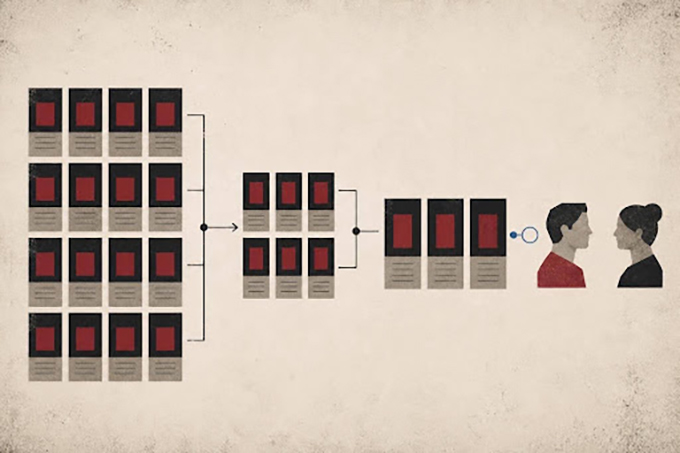
Bol is calling the newsletter “Working Theory,” and the first issue has a title that did the work for me before I’d read a word of it: “When customers arrive informed.” His setup is simple. He keeps having the same conversation with leaders trying to make sense of a fast-changing world, and the questions underneath it rarely change: how do you adapt without losing what makes you valuable, how do you make good decisions when the future isn’t clear, and which changes deserve your attention versus the ones that are just noise?
That last one is the whole ballgame for anyone in education right now. And “arriving informed” is the cleanest three-word description I’ve seen of what’s actually happening to the student journey.
Why “arriving informed” rang so true
Here’s what I mean. A few years ago, a prospective student showed up to an advising conversation with questions like “what’s the difference between these two master’s degrees?” The school’s job was to explain. Now? They’ve already asked an AI assistant, compared the options, read the Reddit threads, and walked in with a near-final shortlist. By the time they reach a human, the basics are handled and they’re into the hard part: they want help making a confident choice.
I’ve watched this shift in my own inbox. The questions I get from readers have gotten sharper and later-stage. The easy stuff is handled before anyone talks to a human. What’s left is the hard, high-stakes part: is this worth it, will it actually get me where I want to go, can I trust the people selling it to me?
Bol is one of the few people in his seat saying this out loud instead of pretending the old funnel still works.
What it means for schools, and for 2U
The uncomfortable implication, which the newsletter doesn’t dodge, is that a lot of what schools spend money on now happens too late. If students build their shortlist through AI-mediated search, you either show up there, credibly and accurately, or you never enter the conversation. Being findable and trustworthy stops being a marketing nicety and starts being the whole game.
This is also, conveniently, the argument for a company like 2U, and I’ll give Bol credit for making it without overplaying it. 2U operates edX and works with more than 250 universities and companies across over 5,300 programs and a learner network north of 100 million. The interesting thing about that scale is what it makes visible. It works like a map: when you can see across thousands of programs, you can spot which formats hold learners and which credentials actually lead somewhere, well before any single campus would notice.
Bol’s framing for that relationship has stuck with me. He talks about being a “force multiplier, not a replacement” for universities, helping them “move faster, reach further and create more impact than either of us could alone.” In an era when schools have built real in-house digital teams, that’s the right note to hit. The value lives in seeing around corners for them, more than in doing the work itself.
Why I subscribed
I came in skeptical and left a subscriber, which almost never happens with a corporate newsletter. It’s well written, sure. Mostly it won me over by asking the question I think the whole sector keeps dancing around: what stays valuable when the easy parts of your job get automated?
Bol borrows a line from a university provost that I keep thinking about: “The magic happens when technology enhances human connection rather than diminishing it.” For students who arrive already informed, that’s exactly the bet worth making. Give the robots the busywork. Save the humans for the moment that actually changes someone’s life.
I’ll be reading the next issue.
