
Why modern therapy is the most crucial part of your recovery
We’ve been there. You finally hit rock bottom and take that first step into treatment. You’re tired of living in a haze, of letting drugs or alcohol control your life.
The good news? Recovery is possible. But what most people don’t realize is that getting clean is just the beginning. True recovery requires rewiring your brain and that’s where modern therapy comes in.
In this article you’ll find what modern therapy can do for you. We’ll give you an inside look at the therapeutic approaches transforming modern addiction treatment today.
What you’ll learn:
- The Game-Changing Therapeutic Methods
- How Modern CBT Is Revolutionizing Recovery
- The Power of Medication-Assisted Treatment Combined with Therapy
- Why Integrated Treatment Plans Are the Future
The Game-Changing Therapeutic Methods
Did you know that 75% of people recover from addiction? That’s not a typo. Three out of four people recover from addiction.
But here’s the thing, what makes the difference in recovery? It’s not just about getting clean. It’s about rewiring your brain through evidence-based therapeutic interventions.
The treatment landscape has changed drastically. There are new approaches that target the root causes of addiction, not just the symptoms. People seeking treatment for comprehensive care can now find quality detox in Massachusetts programs that integrate these groundbreaking therapeutic methods from day one.
Here are the most effective modern approaches:
- Cognitive Behavioral Therapy (CBT) with personalized protocols
- Medication-Assisted Treatment (MAT) combined with counseling
- Dialectical Behavior Therapy (DBT) for emotional regulation
- Mindfulness-Based Relapse Prevention (MBRP)
- Integrated treatment for co-occurring disorders
Pretty revolutionary stuff, right?
How Modern CBT Is Revolutionizing Recovery
You’ve probably heard of CBT before. Cognitive Behavioral Therapy isn’t new, but the way it’s being used now is game-changing.
Traditional CBT was pretty generic. Worksheets and the same cookie-cutter approach for everyone. That’s not what modern CBT is about.
Today’s CBT is all about tailoring treatment to your specific addiction patterns and triggers.
CBT now zeroes in on the exact thought processes that lead to your substance abuse. Not someone else’s, yours. And the therapy gets personalized to your unique lifestyle, triggers, and history.
CBT research is showing that it has small to moderate effects on substance use. It shows the highest success rates in the first 1-6 months after treatment ends, when recovery truly takes hold.
Modern CBT sessions can even be delivered in different formats, like individual therapy, group sessions, or even digital platforms. This means more people have access to the help they need.
The Power of Medication-Assisted Treatment Combined with Therapy
Here’s what most people don’t know about addiction…
But you probably guessed it from the name. The most successful addiction treatment centers in the country use this.
They’re combining medication with therapy. It’s called Medication-Assisted Treatment or MAT for short. And it’s changing everything.
MAT combines the power of medication to address the biological aspects of addiction with therapy to tackle the psychological side of the disease. It’s a two-pronged attack that hits all the bases.
Shockingly, only 4.5% of people with substance use disorders received treatment in 2023, according to SAMHSA. But among those who did? The rates of success for people who got MAT combined with therapy are off the charts.
Here are the most common MAT medications used for addiction recovery:
- Methadone, for opioid addiction treatment
- Buprenorphine for opioid dependency
- Naltrexone for alcohol and opioid use disorders
Addiction MAT can be combined with all of the above types of therapy as well. The most effective treatment centers know that MAT combined with counseling is a complete game changer for sobriety success.
Why Integrated Treatment Plans Are the Future
It’s rarely just a substance abuse problem. Most people who struggle with addiction also have mental health issues as well. We call these co-occurring disorders.
In fact, about 20.4 million American adults suffered from both a mental health disorder and a substance use disorder simultaneously in 2022.
Treating just the addiction alone doesn’t work long term when you also have mental health issues.
Thankfully, modern addiction treatment programs are using integrated treatment plans to address mental health and addiction together.
Instead of bouncing between mental health specialists and addiction treatment centers, you get it all in one place. This includes:
- Individual therapy to address personal trauma and triggers
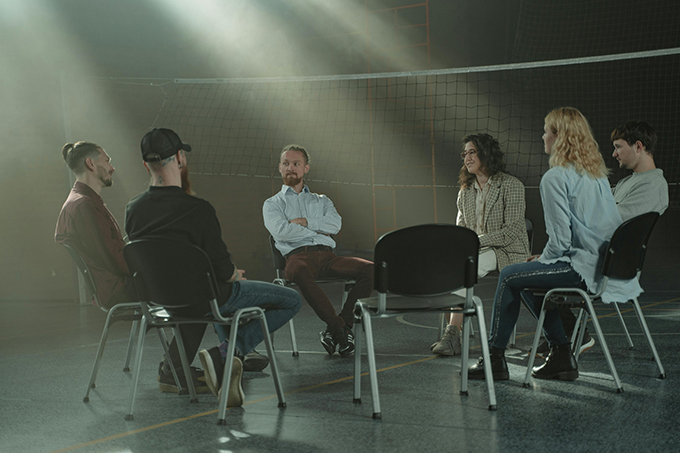
- Group therapy for peer support and shared experiences
- Family therapy to heal relationships and build support
- Specialized therapy for trauma, anxiety, depression, or other conditions
The end result is treatment that actually sticks.
Personalized Treatment That Actually Works
Remember when we said one-size-fits-all treatment was dead?
Turns out we’re right. The first step in modern addiction treatment is a comprehensive assessment that looks at your specific addiction history, mental health status, and life circumstances.
This is what leads to personalized therapy plans that include:
- Individual CBT customized to your specific thought patterns
- Trauma-informed therapy if you have a history of abuse
- Motivational interviewing to build commitment to change
- Mindfulness-based interventions for stress reduction
This personalized approach means every therapy session moves you one step closer to a sustainable recovery.
The Technology Revolution in Addiction Therapy
When we say the future of addiction therapy is already here, we mean it.
Virtual reality therapy helps people practice resisting triggers in simulated real-world settings. Digital platforms can now deliver CBT techniques and provide round-the-clock support.
Here are a few examples of how technology is already transforming addiction therapy:
- Telehealth platforms connect patients with specialists in real-time.
- AI-powered therapy support helps people in immediate crisis.
- Virtual support groups that can meet 24/7
Best treatment centers don’t just use these as add-ons, they’re already integrated with traditional therapy.
Long-Term Success Through Ongoing Support
Here’s the best kept secret about the most successful addiction programs…
Recovery doesn’t end when you leave treatment.
The most successful programs work to build therapeutic communities to support long-term sobriety. They have alumni programs that connect you to other people who’ve been through it.
Long-term recovery includes:
- Regular therapy check-ins to stay on track
- Peer support groups that understand your journey
- Family therapy to rebuild relationships
Breaking Down Treatment Barriers
We know that even with all these advances in addiction treatment, there are still many people who can’t or don’t get help.
Stigma. Cost. Availability. These are all real barriers that keep people from seeking treatment.
But here’s what’s changing:
Insurance coverage has expanded dramatically in recent years. Under the Affordable Care Act, insurers must now cover substance abuse treatment at the same level as other medical conditions.
Telehealth has made therapy accessible to people in remote areas who didn’t have access before.
The Future of Addiction Treatment
The future of addiction treatment looks incredibly promising.
Researchers are working on new medications all the time. Therapeutic techniques are getting more and more sophisticated.
We’re moving toward a day where addiction treatment is as personalized and effective as treatment for cancer.
The therapeutic approaches that are transforming modern addiction treatment today are changing more than how we treat addiction. They’re changing lives.
Putting It All Together
Understanding the role of therapy in addiction treatment plans has never been more important. The old school methods are being replaced by more modern, personalized, evidence-based approaches that actually work.
Here’s how modern therapeutic methods can help you:
- Personalized treatment that is specific to your needs
- Integrated care that treats addiction and mental health at the same time
- Technology-enhanced interventions to provide 24/7 support
- Long-term therapeutic communities to support sustained recovery
Don’t let another day go by. Recovery is possible. Recovery is probable with the right therapeutic support.
