
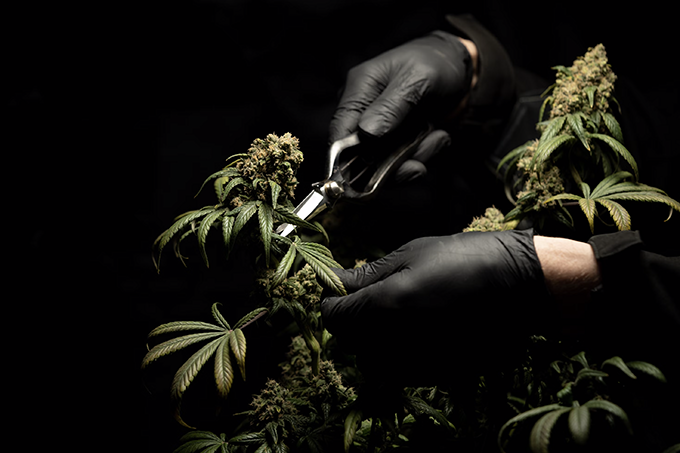
How do you produce marijuana plants that are genetic replicas of your best performing specimens?
The cloning of marijuana plants serves as the hidden strategy that professional growers rely on to achieve consistent quality and uniformity in their cultivation processes. With proper marijuana cloning techniques, you can:
- Preserve your favorite genetics indefinitely
- Save money on seeds
- Cut weeks off your growing cycle
- Create a perpetual harvest system
The proper method for cloning cannabis plants remains unknown to many individuals. Substandard cloning practices can produce unhealthy plants, disease problems and result in wasted time and resources.
The guide presents all essential information about marijuana cloning techniques including basics about clones and advanced methods to produce healthy plants consistently.For those wanting to skip the DIY approach, sites like https://marijuanaclonesonline.com/ offer reliable options for obtaining quality clones directly.
What’s inside:
- What Are Marijuana Clones?
- Benefits of Using Cannabis Clones
- Selecting Mother Plants
- Essential Cloning Techniques
- Common Mistakes to Avoid
What Are Marijuana Clones?
Marijuana clones maintain the genetic identity of their parent cannabis plant. Marijuana clones originate from taking a small branch from a healthy mature plant known as the “mother plant” and stimulating it to grow its own root system.
Here’s why that matters:
Growing cannabis from seeds results in unique plants because seeds from the same strain generate plants that exhibit different characteristics. Certain clones may develop quicker and yield more while demonstrating superior pest resistance.
Cloning allows you to reproduce exact copies of a cannabis plant that already demonstrates superior performance. This means consistent results every time.
Benefits of Using Cannabis Clones
Cultivating marijuana clones provides numerous important benefits compared to using seeds.
Time Savings
Growing from seed requires you to wait for germination, nurture seedlings for two to three weeks and identify plant sex between four to six weeks.
- Wait for germination (2-7 days)
- Grow seedlings (2-3 weeks)
- Determine plant sex (4-6 weeks)
With clones, you skip all of that. The plants will immediately enter the vegetative growth phase which eliminates the need to spend 4-6 weeks waiting between stages during each growing cycle.
Cost Efficiency
Premium strain seeds have a price range of $10-20 per seed but lack any guarantee of successful germination or the development of female plants. Because one mother plant can produce dozens of clones throughout its existence it presents a more cost-effective option.
The legal cannabis industry employs about 440,445 full-time equivalent workers in the U.S. which drives the need for efficient cultivation techniques.
Genetic Consistency
Cloning enables perpetual replication of a plant’s specific genetic makeup once you’ve identified one with your desired traits including yield, potency, terpene profile, and growth structure.
Predictions show that regulated marijuana sales in the U.S. will generate over $123.6 billion by 2025 because consistent products are essential for gaining market share.
Selecting Mother Plants
Your selection of the mother plant establishes the quality of all subsequent clones you produce which makes this choice extremely critical.
These are the essential criteria for selecting a potential mother plant:
Health and Vigor
Your mother plant should be:
- Free from pests and diseases
- Demonstrating robust growth
- Showing no signs of stress
- Structurally sound with strong stems
Desirable Traits
Consider these characteristics:
- Yield potential
- Aroma and flavor profile
- Potency and cannabinoid profile
- Growth structure
- Resistance to stressors
- Flowering time
Mother plants should stay in the vegetative state (while not flowering) with adequate maturity to show traits (around 2-3 months old) yet remain young enough to avoid reduced vigor (which occurs after 6-12 months).
The U.S. cannabis market is anticipated to grow to $76.39 billion by 2030 which makes choosing the right mother plants a vital business choice.
Essential Cloning Techniques
Now let’s dive into the actual process. Here’s how to create successful marijuana clones:
Traditional Cloning Method
- Prepare Your Workspace
- Clean, sanitized work area
- Sharp, sterile scissors or razor blade
- Rooting medium (rockwool cubes, plugs, or soil)
- Rooting hormone
- Humidity dome and tray
- Take Your Cutting
- Select healthy branches with 2-3 nodes
- Use sharp scissors to make a diagonal cut below the plant’s node at a 45-degree angle.
- Immediately place the cutting in water
- Remove the bottom leaves from the stem so just 2-3 leaf sets remain at the top.
- Apply Rooting Hormone
- Cut the stem bottom freshly before proceeding.
- Dip the cut end into rooting hormone
- Gently tap off any excess
- Plant Your Clone
- Create a hole in your rooting medium
- Insert the cutting without wiping off hormone
- Gently press the medium around the stem
- Create the Right Environment
- Place cuttings under a humidity dome
- Provide 18-24 hours of gentle light
- Maintain temperature between 70-80°F
- Keep humidity around 80-90%
Common Mistakes to Avoid
Even experienced growers make cloning errors. Here are the most common pitfalls:
Taking Cuttings from Flowering Plants
Although rooting can occur from flowering plants it presents a greater challenge than with vegetative stage plants.
Solution: Use mother plants that remain in the vegetative state to obtain cuttings.
Poor Sanitation
Pathogens introduced through contamination destroy clones before they develop roots.
Solution: Thoroughly sterilize all equipment both before starting and throughout the cloning operation.
Inconsistent Environment
Fluctuations in temperature and humidity stress cuttings.
Solution: Monitor conditions closely and make gradual adjustments.
Overwatering
Soggy media encourages rot and fungal issues.
Solution: Keep media moist but not saturated.
Too Much Light
Intense light can stress unrooted cuttings.
Solution: Reduce light intensity and increase the distance between lights and plant canopy to minimize stress on cuttings.
Caring for New Clones
Rooted clones require specific attention after root development.
Transplanting Rooted Clones
Begin the transplanting process once your clones develop roots measuring between 1 and 2 inches.
- Prepare small containers with drainage holes
- Use lightly fertilized soil or coco coir
- Treat roots with maximum care because they are very delicate.
- Water thoroughly after transplanting
Hardening Off
Clones need to be gradually acclimated:
- Reduce humidity gradually from 80-90% to 40-60%
- Increase light intensity slowly
- Introduce gentle air movement
- Monitor your plants for symptoms of stress which can be identified by wilting leaves or yellowing coloration.
Begin feeding plants with one-quarter strength nutrients and then slowly raise the nutrient levels as growth progresses. New clones don’t need much food yet.
Key Success Factors
The process of successful cloning relies on understanding and controlling several essential factors.
Cleanliness is Critical
Sanitation stands as the primary determinant of successful cloning outcomes. Always use clean equipment and work surfaces.
Patience Pays Off
Avoid checking for roots too often to give your cuttings enough time to grow properly. Allow your cuttings to grow without any interruptions.
Environment is Everything
Maintaining perfect environmental conditions leads to dramatic improvements in your cloning success rate.
The Final Cut
Marijuana cloning provides growers with improved consistency and time efficiency while maintaining genetic stability. Following this guide enables you to:
- Produce perfect genetic duplicates of your superior plants
- Reduce growing time by several weeks
- Save money compared to buying seeds
- Build a perpetual harvest system
- Preserve rare or exceptional genetics
Both home growers and commercial cultivators find unique solutions through cloning which seed propagation cannot deliver.
Mastering these cloning techniques while steering clear of common mistakes will lead you directly to successful cloning outcomes and unlock numerous advantages for your marijuana growing operation.
