
Cursive writing is more than just a beautiful style of handwriting; it helps improve writing speed, coordination, and overall presentation. Many students and adults learn cursive at an early age, but over time, small mistakes begin to appear. These mistakes can affect readability, neatness, and confidence. The good news is that cursive writing problems are completely fixable with the right approach and consistent practice.
In this guide, we’ll explore the most common mistakes in cursive writing and simple, practical ways to correct them. Whether you are a student, parent, or teacher, this friendly guide will help you improve cursive writing step by step.
Why Do Cursive Writing Mistakes Happen?
Before fixing mistakes, it’s important to understand why they happen. Many learners rush through practice without focusing on proper letter formation. Others may not have been taught the correct stroke order in the beginning. Poor pencil grip, incorrect writing posture, and writing too quickly also contribute to messy handwriting.
Sometimes, inconsistency in practice leads to uneven writing habits. When learners switch between print and cursive styles, it can create confusion in letter connections. Understanding these causes helps us take the right steps toward improvement.
1. Incorrect Letter Formation
One of the most common mistakes is forming cursive letters incorrectly. This happens when strokes are written in the wrong direction or letters do not follow standard shapes. Incorrect formation makes writing difficult to read and harder to connect smoothly.
How to Fix It:
- Practice one letter at a time.
- Follow proper stroke using cursive worksheets.
- Write slowly and focus on accuracy rather than speed.
- Repeat difficult letters daily until they feel natural.
2. Inconsistent Letter Size
Another frequent issue is uneven letter size. Some letters appear too large, while others are too small. This makes writing look untidy and unbalanced. Maintaining consistent height and proportion improves overall handwriting clarity and presentation.
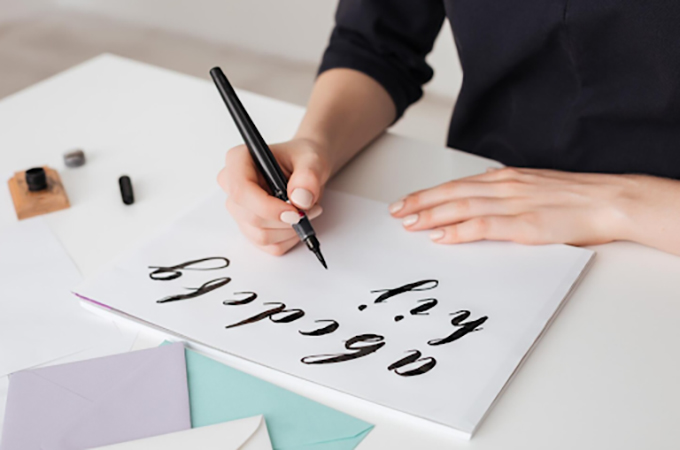
How to Fix It:
- Use practice cursive alphabet worksheets with clear top, middle, and bottom guidelines.
- Keep lowercase letters within the middle space.
- Maintain consistent height for capital letters.
- Practice writing the alphabet in rows to build uniformity.
3. Poor Letter Spacing
When letters are too close together or too far apart, words become hard to read. Proper spacing improves clarity and overall presentation. Consistent spacing also makes your writing look more polished and professional.
How to Fix It:
- Leave small, equal gaps between words.
- Avoid overlapping letters.
- Use your finger as a spacing guide when practicing.
- Write slowly to maintain control over spacing.
4. Broken Letter Connections
Cursive writing is known for smooth, flowing connections between letters. However, many learners lift their pen too often, causing broken connections. Practicing continuous strokes helps create a more fluid and readable handwriting style.
How to Fix It:
- Practice connecting common letter pairs like “th,” “ing,” and “ab.”
- Try writing simple words repeatedly without lifting your pen.
- Focus on smooth hand movement instead of stopping after every letter.
5. Inconsistent Slant
In cursive writing, letters usually lean slightly in one direction. When the slant changes throughout a sentence, it makes the writing look uneven. Maintaining a consistent slant enhances the flow and overall appearance of your handwriting.
How to Fix It:
- Keep your paper slightly tilted.
- Choose a comfortable slant and stick with it.
- Practice writing straight lines at your chosen angle before forming letters.
6. Uneven Baseline Alignment
Some letters may float above or drop below the line unnecessarily. This creates a messy appearance and reduces readability. Keeping letters aligned with the baseline ensures neat and easily readable handwriting.
How to Fix It:
- Always practice on lined paper.
- Make sure letters touch the baseline properly.
- Pay attention to letters that go below the line, such as “g,” “y,” and “p.”
7. Incorrect Pencil Grip

Holding the pencil too tightly or incorrectly can cause hand fatigue and shaky handwriting. A poor grip reduces control and smoothness. Using a relaxed and proper grip allows for better precision and more comfortable writing.
How to Fix It:
- Use a relaxed tripod grip (holding the pencil with thumb, index, and middle finger).
- Avoid gripping too tightly.
- Keep your wrist relaxed while writing.
- Take short breaks during practice sessions.
8. Too Much or Too Little Pen Pressure
Pressing too hard can make writing look dark and uneven, while pressing too lightly can make it faint and unclear. Balanced pressure helps create smooth, clear, and consistent cursive handwriting.
How to Fix It:
- Apply gentle, consistent pressure.
- Practice drawing light loops and curves.
- Check your writing regularly to maintain balanced pressure.
9. Writing Too Fast
Speed often leads to careless mistakes. Many learners try to write quickly before mastering proper form. This reduces letter clarity and prevents the development of smooth, controlled cursive writing.
How to Fix It:
- Focus on neatness first.
- Slow down your writing speed.
- Gradually increase speed only after gaining control and consistency.
10. Mixing Print and Cursive
Switching between print and cursive styles within the same word creates confusion and disrupts flow. It also makes handwriting look inconsistent and reduces the overall neatness and readability of your writing.
How to Fix It:
- Decide to practice only cursive during sessions.
- Rewrite printed words fully in cursive.
- Practice full sentences to maintain consistency.
Simple Daily Practice Routine
Regular practice with cursive worksheets builds muscle memory and strengthens hand coordination. Improvement in cursive writing requires consistency. Even 10-15 minutes of daily practice can make a noticeable difference.
Here is a simple routine:
- Warm up with straight lines and loops.
- Practice 5-6 individual letters.
- Write 3-4 words using those letters.
- Copy a short sentence carefully.
- Review your work and identify areas to improve.
Conclusion
Cursive writing may seem challenging at first, but every mistake is an opportunity to improve. Most handwriting problems come from small habits that can be corrected with awareness and consistent practice. By focusing on proper letter formation, spacing, connections, and posture, anyone can develop neat and confident cursive handwriting.
Remember, improvement does not happen overnight. Stay patient, practice daily, and give yourself time to grow. With steady effort and the right techniques, your cursive writing will become smoother, clearer, and more beautiful over time.
