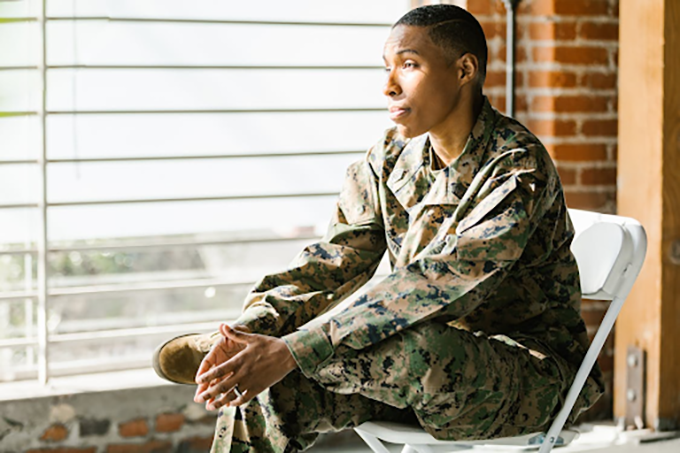
Transitioning out of military service and into the workforce is extremely difficult.
It’s an uncomplicated concept. Leave the military, get a job, start your new life. But there’s so much more going on behind the scenes. Your veteran mental health plays a huge role in your ability to land civilian employment.
If you don’t receive proper support during your transition, it can be nearly impossible. But here’s the interesting thing…
Veteran-specific career training programs are
- Expanding rapidly
- More accessible than ever before
- Delivering real results
What you’ll learn:
- Veteran Mental Health Directly Impacts Career Success
- Veterans Are Facing An Employment Gap
- Support Organizations Are Closing The Divide
- Examples Of Career Training That Work
Veteran Mental Health Directly Impacts Career Success
Most career-related struggles that veterans face can be tied to veteran mental health.
Here are a couple reasons why…
PTSD, depression, anxiety. These issues don’t just make you feel terrible. They make it hard to interview for jobs, complete training for a new position, network with peers and maintain steady employment.
An estimated 41% of veterans need mental health assistance programs annually. That’s nearly half of the veteran population that will face barriers when trying to make the transition into civilian careers.
Fortunately, there is a wide array of charities for veterans that are helping bridge the gap between mental wellness and career development. Top tier veteran support organizations don’t treat career readiness and mental health as two separate things…
They approach them as a package.
Let me explain…
Say you have untreated PTSD. You could have the highest GPA in your training program, but you still struggle to pay attention. Maybe you want to attend a networking event but force yourself not to go because you’re anxious about meeting new people.
If your veteran support organization doesn’t take your mental health challenges into account, they’re not going to be able to help you succeed as a whole person.
Instead, leading veteran organizations are combining career coaching with mental health services to boost success rates across the board.
Veterans Are Facing An Employment Gap
The veteran unemployment rate is pretty good at first glance.
According to the Bureau of Labor Statistics, 3.0% of veterans were unemployed in 2024. That’s better than the 3.9% unemployment rate for non-veterans.
Here’s the issue…
Those numbers are skewed because veterans with service connected disabilities are not represented accurately. Unemployment was 6.2% for veterans with a service-connected rating of 60% or higher in 2024. That’s significantly higher than veteran friends or family with lower disability ratings.
Wait, there’s more…
- Approximately 45% of veterans served since post-9/11 have a service-connected disability
- Veterans with a disability had substantially lower rates of labour force participation
- Mental health disorders such as Post Traumatic Stress make up the largest category of VA disability claims
Once you dive into the subcategories of veteran employment, you’ll see there’s a real need for supportive services. And younger veterans are even facing tougher challenges than their older counterparts.
Service members who fall in the 18-24 age category experienced shockingly high unemployment compared to civilian jobs. We need to close that employment gap.
This is where veteran service organizations step in.
Support Organizations Are Closing The Divide
Veterans haven’t always been supported by career training programs. Sending every veteran to a job fair just doesn’t cut it.
Successful veteran support organizations know this.
They focus on creating career training solutions that address the military to civilian transition holistically. They don’t view veteran mental health and career readiness as two completely separate issues that don’t relate to each other.
Let’s break down exactly how they’re changing the game.
Mental Health + Career Training
We already touched on this, but veteran support organizations know it takes more than career coaching to succeed.
Leading organizations like the Wounded Warrior Project provide wraparound services that cover everything from career counseling to financial management. Through the VA’s Veteran Readiness and Employment program, veterans can access 5 different tracks of services based on their needs.
Those may include:
- Employment and job training
- Education
- Career coaching
- Mental health counseling
- Medical benefits that affect employment
The goal of programs like VR&E is to remove as many barriers that veterans face when completing career training. Ensuring veterans can focus exclusively on the task at hand increases graduation rates and long term career success.
Removing barriers is important because…
- It allows veterans to complete training programs
- Many of those barriers are rooted in mental health challenges
- Peer mentoring fosters a community of support
Translating Military Skills To Civilian Jobs
You’ve got mad skills. You’ve been training to do your specific job in the military for years. But how do you explain that to a civilian human resources manager?
Career support organizations help veterans translate their skillset into something employers can recognize. Take an example from Coders Collaborative. A veteran may have 5 years of experience managing logistics on a military base. That sounds great on a resume but what does it mean?
“That veteran has honed their project management skills for years!” says Coders Collaborative.
Connect service members with employers while they’re still in the military through the Department of Defense’s SkillBridge program. SkillBridge places veterans with registered civilian employers and gives them real work experience before they even leave the military
Boom.
Now that’s something you can put on a resume.
Focused Training For High-Demand Careers
The VA’s newest veteran employment program VET TEC saw over 20,300 veteran enrolments in career training schools from 2020 to 2025. VET TEC focuses on training veterans for tech careers like coding and cybersecurity.
What did they find?
On average, 43% of veterans who started a course in the VET TEC program earned a certificate or diploma.
Suddenly training vets for tech jobs makes sense.
You can also target veterans for trade careers. From construction to HVAC, trade skills are taught at coding bootcamps all over the country. Veterans love these programs because they’re focused.
Those are the types of programs that will get you hired.
When you learn skills that are in high demand, employers take notice. You’re not just another resume with bullet points.
The Secret To Successful Career Training Programs
If you really want to know what makes career training programs successful for veterans. I’m glad you asked.
Programs that produce tangible, measurable results have one primary thing in common. At the core of their program, veteran mental health is treated as a priority.
Not something you offer on the side in case anyone needs it. Not as an additional service you can pay extra for.
Veteran support organizations that have interactive mental health programs build them right into their career coaching curriculum.
Think about why that’s so important.
If you can get a veteran through career training without falling apart mentally, they are more likely to…
- Finish the training program
- Stay at their job long-term
- Maintain a healthier lifestyle
- Feel good about their career choice
Organizations that understand the importance of mental health continue to produce outstanding results year after year.
Bringing It All Together
Veteran support organizations are revolutionizing the way career training is approached. Bread and butter tactics like career fairs aren’t going to cut it if you want to land a job that you actually enjoy.
These are the elements that go into a successful veteran career training program:
- Career coaching that doesn’t neglect mental wellness
- Translating your military skillset into terms civilians understand
- Learning skills that are in high-demand by today’s employers
- Supportive community that you can grow with
